Source Electric Battery Powered Water Gun for Play, Training, Events
Compare 30 electric battery powered water gun options from verified suppliers. Buyers can evaluate specifications like speed, battery type, and age ranges to find suitable units for recreational use, training drills, or outdoor events.
Key considerations
Products List


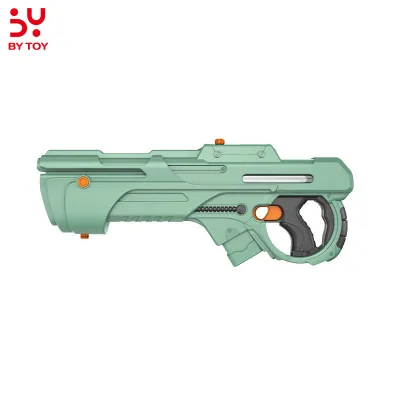


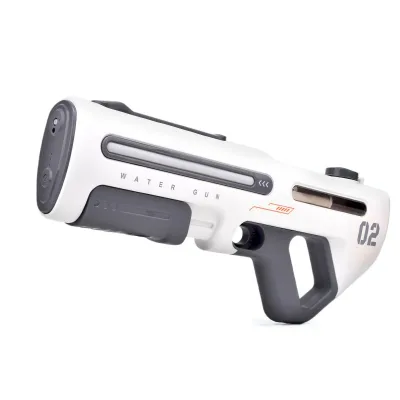
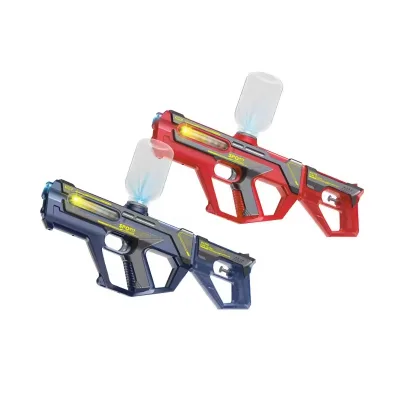
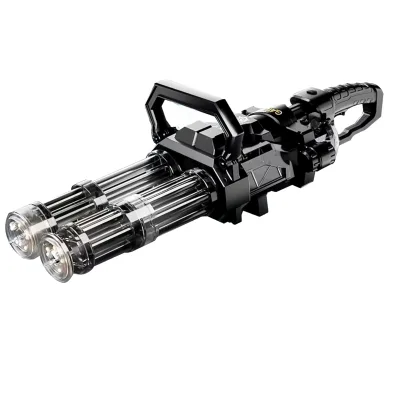
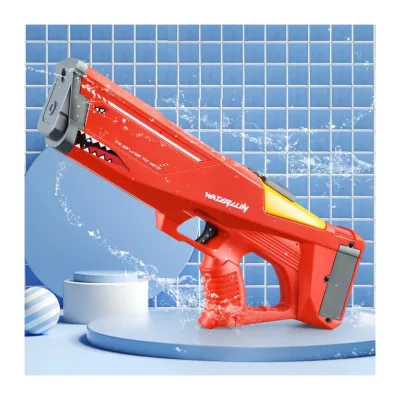

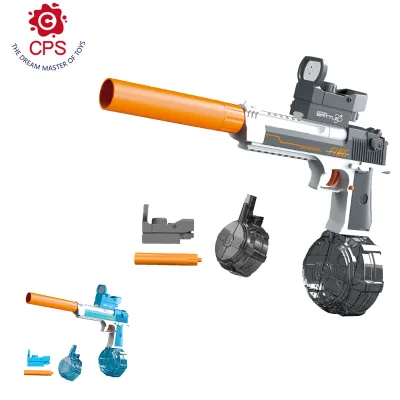

$1.00 - $70.00
Moq: 50


Comprehensive Sourcing Guide
Strategic Sourcing Guide for Electric Battery Powered Water Guns
Understanding Product Specifications and Technical Variability
When sourcing electric battery-powered water guns, buyers must navigate a landscape of diverse technical configurations rather than a single uniform product. The core functionality relies on an electric motor to propel water or water gel balls, distinguishing these items from manual pump-action toys. Based on observed market data, the propulsion mechanism often utilizes a gearbox constructed from plastic, which is standard for this category to maintain a lightweight profile while ensuring durability during active play. The power source is consistently identified as battery-operated, with specific observations noting the inclusion of a 7.4V battery in certain configurations. This voltage level is critical for achieving the observed performance metrics, where projectile speeds range between 45-50 meters per second, or approximately 140-150 feet per second.
The physical dimensions and weight of these units vary significantly depending on the model and intended age group. For instance, specific models like the M416 or 627-8 exhibit different structural footprints. The unit weight for some observed configurations is approximately 0.7kg, while others may reach up to 1.8kg gross weight, influenced by the packaging and internal components. The ammunition type is another key differentiator; some units are designed to fire standard water streams, while others are engineered specifically for 7-8mm water gel balls, a popular variation in the toy gun sector. The color options can range from standard factory defaults like white and green to fully customized requests, reflecting the high degree of customization available in the supply chain.
Buyers should also note the packaging standards, which impact shipping costs and product protection. Common packaging includes sealed color boxes, standard packaging, or bulk configurations such as 10 pieces per pack. The single package size can vary from compact dimensions like 65x30x16 cm to larger industrial sizes, directly influencing the volume calculation for freight. Understanding these specifications is the first step in defining the Request for Quotation (RFQ) to ensure the supplier understands the exact mechanical and dimensional requirements of the intended product.
Compliance and Certification Verification Protocols
Safety compliance is the most critical non-negotiable factor when importing electric battery-powered water guns. The toy industry is heavily regulated, particularly regarding electrical safety, chemical composition, and mechanical hazards. In the observed market data, several certifications appear repeatedly, including CE, ASTM, EN, and RoHS. Specifically, the ASTM F963 standard is a recognized benchmark for toy safety in North America, covering mechanical and physical hazards. The presence of CE marking indicates conformity with health, safety, and environmental protection standards for products sold within the European Economic Area.
Buyers must verify that the supplier provides valid test reports corresponding to the target market. The data indicates that some products carry certifications such as EN, ASTM, EN71, RoHS, and 6P. The "6P" designation typically refers to the restriction of six specific phthalates, a common requirement in European toy safety directives. Additionally, the RoHS (Restriction of Hazardous Substances) certification ensures that the electronic components, including the battery and motor, do not contain excessive levels of lead, mercury, or other hazardous materials. It is imperative that the supplier does not merely claim compliance but provides the actual third-party test reports from accredited laboratories.
The age grading of the product is intrinsically linked to compliance. The observed data shows products targeted at children aged 3-8 years, as well as those for ages 8-13 years and 14 years and up. Products intended for younger demographics (3-8 years) must adhere to stricter choking hazard regulations and lower velocity limits to prevent injury. For the older age groups, the higher velocity of 140-150 fps may be acceptable, but the mechanical safety of the gearbox and the electrical safety of the battery compartment remain paramount. Buyers should explicitly request age-appropriate certification documentation to avoid regulatory rejection at customs.
Cost Drivers and Pricing Structure Analysis
The pricing of electric battery-powered water guns is influenced by a complex interplay of factors, including material costs, customization levels, and order volume. The observed price range in the market spans from $0.36 to $70.00 USD, a wide disparity that reflects the difference between basic, non-customized units and premium, fully branded, high-performance models. The lower end of the spectrum likely corresponds to simple, non-electric or basic electric units with minimal packaging and no logo printing. In contrast, the higher price points are associated with advanced features such as LED modes (though some models lack this), custom color schemes, and integrated battery packs.
Customization is a primary cost driver. The data confirms that customization is available for logos, colors, and packaging. Implementing a custom logo via pad print or other imprinting methods adds a setup cost and potentially a per-unit cost, depending on the complexity of the design. Similarly, requesting a specific color palette or custom packaging, such as a sealed color box with specific branding, will increase the unit price compared to standard white or green units. The "OEM Custom" attribute indicates that suppliers are willing to manufacture products under the buyer's brand, which often involves tooling fees or minimum order quantity (MOQ) premiums.
MOQ requirements also play a significant role in the effective cost per unit. The observed MOQ range is between 2 and 1,080 pieces, with specific models like the M416 showing an MOQ of 144 pieces. Buyers purchasing at the lower end of the MOQ spectrum will face a higher unit cost due to the fixed costs of production setup being amortized over fewer units. Conversely, larger orders allow for better economies of scale. The battery inclusion is another variable; some listings specify that the 7.4V battery is included in the original price, while others may require the battery to be sourced separately or as an add-on, affecting the total landed cost.
Typical Applications and Market Segmentation
Electric battery-powered water guns serve distinct market segments based on their design, power, and intended use. The primary application is recreational play, often categorized under "Funny" usage in product descriptions, indicating their role in outdoor games, water fights, and summer activities. The target audience is predominantly children and teenagers, with specific models tailored to different developmental stages. Products designed for the 3-8 age group focus on safety, ease of use, and durability, often featuring lower velocities and simpler controls. For the 8-13 and 14+ age groups, the focus shifts to performance, with higher speeds and more complex features like gearboxes and battery management systems.
The "Toy Gun" keyword suggests a strong association with role-playing games and competitive shooting scenarios. The inclusion of water gel balls as ammunition expands the application beyond simple water streams, allowing for "gel ball" battles which have gained significant popularity. These units often feature a specific gearbox and motor setup to handle the gel balls effectively. The "Electronic Toy" classification further implies that these products may include sound effects, light features, or programmable firing modes, appealing to tech-savvy children.
In a B2B context, these products are often sourced for retail distribution, promotional events, and seasonal campaigns. The "Unisex" gender attribute ensures broad market appeal, making them suitable for general toy retailers rather than niche stores. The "Selling Units" being listed as single items indicates that they are packaged for individual consumer sale, though bulk packaging options exist for distributors. Understanding these applications helps buyers align their procurement strategy with the specific needs of their retail channels, whether they are targeting discount stores, specialty toy shops, or online marketplaces.
Supplier Evaluation and Origin Considerations
When evaluating suppliers for electric battery-powered water guns, the geographic origin is a significant indicator of manufacturing capability and supply chain maturity. The observed data points to China as the primary origin, with specific mentions of Shantou and Guangdong as key production hubs. Shantou, in particular, is renowned for its toy manufacturing ecosystem, offering a dense network of suppliers specializing in plastic toys and electronic toys. This concentration of expertise often translates to competitive pricing and a wide variety of molds and designs.
Supplier evaluation should extend beyond the basic location to include their capacity for customization and quality control. The availability of "OEM Custom" services suggests that suppliers are equipped to handle branding and design modifications. Buyers should verify the supplier's ability to manage the "Customized" attribute effectively, ensuring that they can deliver consistent color matching and logo imprinting quality. The "Standard Specifications or Customized" option indicates flexibility in production, but buyers must ensure that custom orders do not compromise the structural integrity of the product.
It is crucial to assess the supplier's track record with certifications. A supplier claiming CE, ASTM, or EN compliance must be able to provide the necessary documentation. The presence of "EnASTM" or similar combined certifications in the data suggests that some suppliers are familiar with international standards, but buyers should not assume this applies to every product listing. Due diligence involves requesting sample products to test the actual build quality, battery life, and safety features before committing to a large order. The "Unit Weight" and "Single Package Size" data provided by suppliers should be cross-referenced with physical samples to ensure accuracy, as discrepancies can lead to unexpected shipping costs.
Quality Control and Long-Term Procurement Strategy
Maintaining quality in electric battery-powered water guns requires a robust quality control (QC) strategy that addresses both mechanical and electrical components. The plastic gearbox and battery compartment are high-wear areas that must be tested for durability. Buyers should implement a QC protocol that includes functional testing of the motor speed, battery discharge rates, and the firing mechanism's reliability. The observed speed range of 45-50m/s should be verified through sampling to ensure consistency across batches. Additionally, the "Sealed Colorbox" and "Standard Packaging" options must be inspected for damage during transit, as compromised packaging can lead to product returns.
Long-term procurement considerations involve building a sustainable relationship with suppliers who can scale production as demand fluctuates. The wide MOQ range (2-1,080 pieces) offers flexibility, but buyers should aim to negotiate consistent MOQs that balance inventory costs with production efficiency. Establishing a clear communication channel for customizations, such as logo placement and color specifications, is essential for maintaining brand consistency. Buyers should also consider the lifecycle of the product, particularly the battery technology. As regulations regarding lithium-ion batteries evolve, suppliers must be prepared to adapt their power solutions to meet new environmental and safety standards.
Finally, buyers should monitor the market for emerging trends, such as the integration of more advanced electronic features or the shift towards eco-friendly materials. While the current data highlights plastic as the primary material, future sourcing strategies may need to account for sustainability concerns. By maintaining a disciplined approach to specification, compliance, and supplier evaluation, buyers can secure a reliable supply of electric battery-powered water guns that meet both safety standards and market demands.
FAQs
What certifications do electric battery powered water guns typically have?
These toys commonly carry CE, ASTM, EN, and RoHS certifications. Specific models may also include EN71, 6P, and ASTM F963 standards to ensure safety compliance for children aged 3 to 14 years in global markets.
How is the power source configured for these water guns?
The units are battery-operated, often including a 7.4V battery in the original price. This power setup drives a plastic gearbox to achieve projectile speeds between 45 and 50 meters per second.
Which customization options are available for these products?
Customization is available for logos, colors, and packaging. Buyers can request pad print logos, custom color schemes like white or green, and sealed color boxes or bulk packaging options depending on the order.
Can buyers find manufacturers with specific minimum order quantities?
Yes, minimum order quantities range from 2 to 1,080 pieces. Specific models like the M416 may require an MOQ of 144 pieces, while other configurations allow for smaller initial orders.
What is the typical origin location for these electric toys?
The products originate from China, specifically from manufacturing hubs like Shantou and Guangdong. These regions provide a dense network of suppliers specializing in plastic and electronic toy production.
How are these water guns packaged for shipping?
Packaging varies from sealed color boxes to standard packaging or bulk packs of 10 pieces. Single package sizes can range from compact dimensions to larger industrial sizes affecting freight volume.